Aluminum Conductors vs. Copper Conductors Pros and Cons
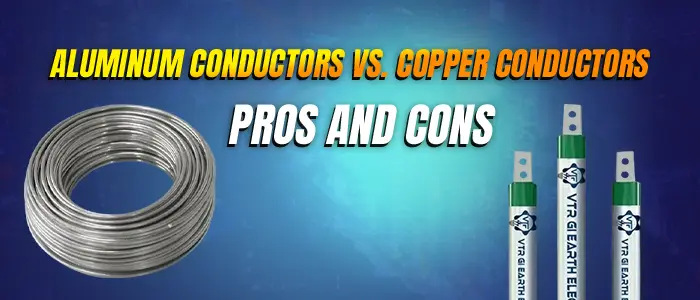
When choosing between aluminum conductors and copper conductors for electrical systems, it is important to know how they compare. Both materials are widely used for power distribution, but they come with different advantages and limitations. In this blog, we break down the pros and cons of each, so you can make the right decision for your project or installation.
What Are Aluminum Conductors?
Aluminum conductors are wires made from aluminum metal, commonly used in power lines, building wiring, and electrical equipment. They are lighter and less expensive than copper, making them a popular choice in many large-scale applications.
Pros and Cons of Aluminum Conductors
Pros of Aluminum Conductors
- Lightweight: Aluminum is nearly one-third the weight of copper. This makes it easier to handle and install, especially over long distances.
- Cost-effective: The aluminium conductor price is lower than copper, which helps reduce project costs.
- Corrosion resistant: It forms a natural layer of protection against rust, increasing its durability.
Cons of Aluminum Conductors
- Lower conductivity: Aluminum does not carry electricity as efficiently as copper, so thicker wires are often needed.
- Higher thermal expansion: It expands more when heated, which can loosen connections over time if not installed properly.
- More fragile: Aluminum is softer and more likely to break when bent or stressed repeatedly.
Types of Aluminum Conductors
All Aluminium Conductor (AAC)
This type uses only aluminum and is best for short distances. It is lightweight and cost-effective, but not very strong.
Aluminum Conductor Steel Reinforced (ACSR)
The Aluminum Conductor Steel Reinforced combines aluminum with a steel core. This gives strength to carry across long distances, especially in power transmission lines. It is a trusted choice for overhead lines.
Aluminium Conductor Steel Reinforced Cable
This is the cable form of ACSR. It is ideal for power transmission where strength and lightweight properties are needed together. These cables perform well in both rural and urban areas.
Where Aluminum Conductors Work Best
Aluminum electrical conductor is a great choice for:
- Overhead power lines
- Large-scale electrical distribution
- Industrial wiring where cost and weight matter
- Locations using steel reinforced aluminium conductor for added strength
What Are Copper Conductors?
Copper conductors are wires made from copper metal, known for their high electrical conductivity and strength. They are widely used in homes, offices, machines, and almost all kinds of electrical devices due to their excellent performance.
Pros and Cons of Copper Conductors
Pros of Copper Conductors
- High conductivity: Copper has excellent electrical flow, which means you can use thinner wires for the same power output.
- Strong and flexible: It is less likely to break under stress, making it durable and long-lasting.
- Stable performance: Copper handles heat better and maintains strong connections over time.
Cons of Copper Conductors
- Expensive: Copper is more costly than aluminum, which can raise the total budget.
- Heavier: Its higher weight makes transport and installation harder, especially in long-distance projects.
- Can corrode: Though not quickly, copper can corrode in wet or chemical-prone environments without proper insulation.
Types of Copper Conductors
Solid Copper Conductor
This type is made of a single solid piece of copper. It is durable and best for fixed wiring in homes and buildings.
Stranded Copper Conductor
Made by twisting many small copper wires together. This type is flexible and commonly used in machines, appliances, and portable equipment.
Where Copper Conductors Are Ideal
Copper works better in:
- Homes and offices
- Environments with tight spaces
- Equipment that requires stable, long-term performance
- Areas where heat buildup is a concern
Aluminium Conductor Price vs. Copper Conductor Price
One of the biggest factors when choosing a conductor is cost. The aluminium conductor price is significantly lower than copper. This is a key reason why aluminum is preferred for large-scale projects like power grids and industrial wiring. Copper, though more expensive, offers better conductivity and long-term reliability.
Final Comparison – Which One Should You Choose?
|
Feature |
Aluminum Conductors |
Copper Conductors |
|
Weight |
Light |
Heavy |
|
Price |
Lower |
Higher |
|
Conductivity |
Medium |
High |
|
Strength (ACSR) |
High (with steel core) |
High |
|
Flexibility |
Low to medium |
High |
|
Corrosion Resistance |
Good |
Fair (with protection) |
|
Installation Cost |
Low |
High |
|
Use in Homes |
Not recommended |
Recommended |
If budget and weight are your top concerns, go with aluminium conductors or aluminium conductor steel reinforced options. For performance and reliability, copper is still the top choice.
Need Reliable Conductors? Choose VTR Infotech
When it comes to sourcing high-quality aluminum electrical conductor, aluminum conductor steel reinforced, or all aluminium conductor, VTR Infotech stands out as a trusted supplier. With a wide range of products and dependable service, they make choosing the right conductor simple and stress-free.
Whether you are looking for steel reinforced aluminium conductor, aluminium conductor steel reinforced cable, or premium copper wiring, VTR Infotech has the knowledge and products to support your needs.
Need help finding the right conductor? Contact VTR Infotech today at
Call: +91-70118 74794
Email: sales@vtrinfotech.com
and get expert guidance for your project.






Chemical Earthing: Types, Benefits and Installation Process
Aluminum Conductors vs. Copper Conductors Pros and Cons

Copper Earthing Electrodes Why Does Your Home Need Them?

What is an ESE Lightning Arrester and How Does It Work?