Chemical Earthing: Types, Benefits and Installation Process
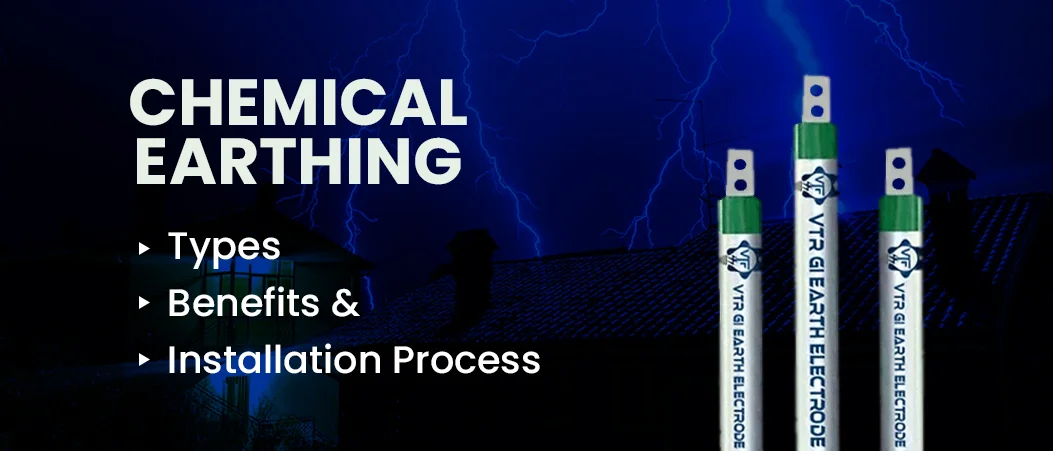
Chemical Earthing plays an essential role in protecting electrical systems from risks like short circuits, lightning strikes, and equipment failure. At VTR Infotech, we supply and install high-quality Chemical Earthing Electrodes that provide stable and long-lasting grounding. Chemical Earthing improves safety by reducing soil resistance and creating a reliable path for fault currents. This makes it suitable for homes, industries, telecom towers, hospitals, and data centers. Unlike conventional earthing, Chemical Earthing stays effective for many years with minimal maintenance. It helps prevent electric shocks, protects electrical panels, increases equipment life, and improves overall system reliability. Our products are designed for long service life, corrosion resistance, and consistent conductivity.
Introduction to Chemical Earthing Electrode
Chemical Earthing Electrode is a specially designed grounding device used to safely discharge fault currents into the earth. It is made using copper, GI (Galvanized Iron), or copper bonded steel, and installed in combination with a moisture-retaining backfill compound. This compound ensures stable conductivity throughout the year. Chemical Earthing helps prevent voltage fluctuations, system overload damage, and electrical hazards. At VTR Infotech, our earthing electrodes are manufactured with high-grade raw materials and tested for performance and safety. They provide excellent durability even in challenging soil conditions, including rocky, sandy, and dry environments. Chemical Earthing is widely used in residences, office buildings, commercial setups, manufacturing plants, and critical power installations.
Evolution of Earthing Systems from Traditional to Chemical Earthing
Traditional earthing relied on simple copper plates and salt-charcoal filling, which degraded quickly. Chemical Earthing introduced sealed electrodes with conductive compounds, improving efficiency, stability, and lifespan significantly.
Importance of Effective Grounding in Industrial & Residential Installations
Proper grounding prevents electrical shock, overload damage, and fire hazards. It ensures stable power flow, device protection, and consistent performance for both homes and large-scale industrial operations.
What is Chemical Earthing: Uses, Types & Specifications
Chemical Earthing is a grounding method that uses electrodes and conductive compounds to maintain low resistance and ensure safe power discharge. It is used across domestic wiring systems, industrial power setups, telecom infrastructure, and heavy machinery installations.
Definition and Working Principle of Chemical Earthing
Chemical Earthing works by installing a metal electrode in the soil, surrounded by backfill compound that retains moisture. This ensures constant conductivity and low resistance throughout varying seasonal conditions.
Difference Between Chemical Earthing and Conventional Earthing Systems
Conventional earthing requires regular watering and maintenance. Chemical Earthing is designed to be maintenance-free with stable performance, long life, and better safety even in poor soil.
Types of Chemical Earthing Electrodes
- Pure Copper Earthing Electrode – High conductivity and long-lasting performance.
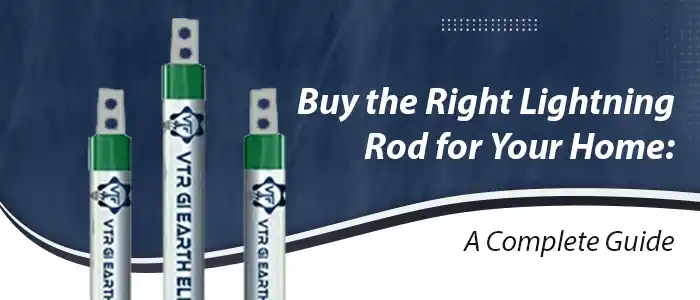
- GI Chemical Earthing Electrode – Economical and suitable for general installations.
- Copper Bonded Earthing Rod – Strong steel core with corrosion-resistant copper coating.
- Copper Chemical Earthing Electrode – Designed for premium and high-load applications.
Key Specifications to Consider
- Electrode Length (e.g., Earthing Rod 3m)
- Electrode Diameter (Earthing Electrode 50x3)
- Copper Bonding Thickness
- Soil Resistivity Compatibility
Applications & Uses in Various Industries
- Residential Buildings
- Telecom Towers
- Industrial Plants
- Electrical Panels & Substations
Components Used in Chemical Earthing System
A Chemical Earthing System includes the electrode, compound, and supporting hardware for electrical connectivity and safety.
Earthing Electrodes (Copper / GI / Copper Bonded)
These electrodes form the core grounding path and vary in conductivity and durability.
BFC Backfill Compound (Moisture Retention & Soil Enhancement)
BFC improves soil conductivity and retains moisture to maintain low resistance.
Earthing Accessories (Clamps, Strips, Connectors)
Used to establish secure and stable electrical connections.
Lightning Arrester Integration with Earthing System
Lightning arresters connect to earthing systems to safely discharge high voltage surges.
GI Chemical Earthing vs Pure Copper Earthing Electrode
GI electrodes are cost-effective and suitable for general purpose installations. Pure Copper electrodes offer superior conductivity and corrosion resistance for advanced applications.
Conductivity & Performance Comparison
Pure Copper provides higher electrical conductivity than GI, ensuring stable resistance.
Durability & Corrosion Resistance
Copper offers stronger corrosion protection than GI, especially in wet or saline soil.
Cost & Earthing Product Price Considerations
GI is more budget-friendly, while Pure Copper is premium and used for high-risk setups.
Benefits of Maintenance Free Earthing
Maintenance-free Chemical Earthing reduces cost and effort while improving reliability.
Lower Soil Resistance & Better Electrical Safety
Chemical Earthing keeps resistance low, preventing electric shock and equipment failure.
Longer Life & Reduced Corrosion Damage
Electrodes are treated to resist rust, extending service life significantly.
Zero or Minimal Maintenance Requirement
No frequent watering or refilling is needed, making it cost-effective.
How to Select the Right Chemical Earthing Electrode
Selection depends on installation type, load capacity, soil condition, and quality standard.
Factors That Impact Performance
- Soil Type and Moisture
- Load Capacity and Electrical Installation Type
- Product Certification (CPRI Certified Earthing)
- Material Grade and Thickness Quality
Safety Rules to Check When Chemical Earthing Electrode Manufacturers
Check manufacturer reliability, certification, product durability, and service support.
Manufacturer Quality Standards and Certifications
Choose electrodes tested and certified for electrical compliance.
Testing Procedures for Earthing Resistance
Ensure grounding systems are tested on-site after installation.
Installation Guidelines and After-Sales Support
Professional installation ensures long-term stability and safety.
Warranty, Compliance & Performance Assurance
Products should include warranty and performance documentation.
Installation Guide for Chemical Earthing Set
Installation should follow standardized procedures for safe performance.
Step-by-Step Installation Overview
Dig pit → place electrode → add BFC → connect strip → test resistance.
Common Mistakes to Avoid During Installation
Avoid shallow depth, improper soil compaction, or loose connectivity.
Periodic Testing & Earthing System Health Check
Test resistance periodically to ensure safe grounding.
Conclusion
Chemical Earthing ensures safe power flow and protects equipment and life.
Importance of Choosing the Right Earthing System for Safety & Reliability
A properly selected and installed earthing system reduces electrical risks and increases reliability.
Summary of Key Features and Selection Tips
Choose electrode material, size, certification, and installation based on application and soil.
Contact VTR Infotech
For product inquiries, installation, and quotations:
Phone: +91-70118 74794
Email: sales@vtrinfotech.com





Chemical Earthing: Types, Benefits and Installation Process
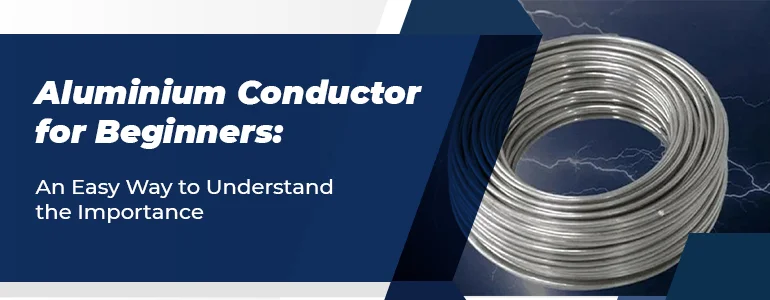
Aluminum Conductors vs. Copper Conductors Pros and Cons
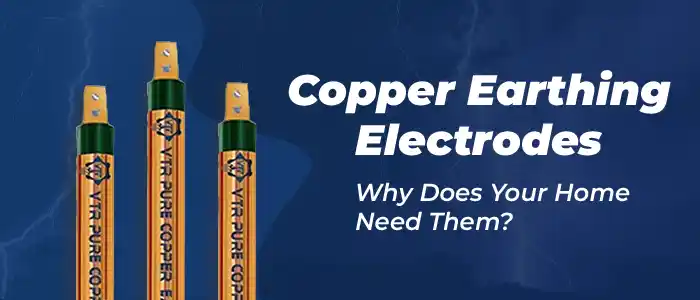
Copper Earthing Electrodes Why Does Your Home Need Them?
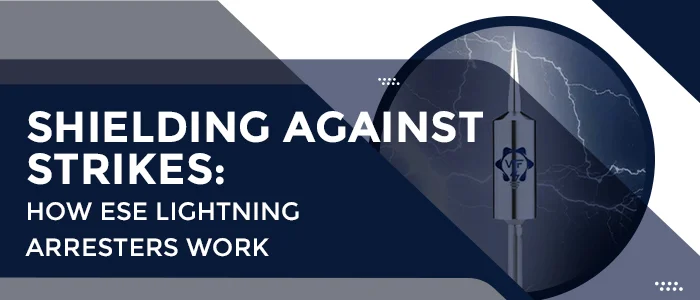
What is an ESE Lightning Arrester and How Does It Work?